
Industrial Water Treatment: Methods, Benefits, and Best Practices in 2026
Water plays a vital role in modern industrial operations. From manufacturing plants and food processing facilities to pharmaceutical companies and power generation units, maintaining high-quality water is essential for operational efficiency, equipment longevity, and regulatory compliance. As industries face increasing pressure to conserve resources and reduce environmental impact, industrial water treatment has become a critical investment.
At Fine Water Systems, Chennai, we help industries implement advanced water treatment solutions that improve water quality, reduce operating costs, and support sustainable growth. In this guide, we’ll explore the latest industrial water treatment methods, benefits, and best practices for 2026.
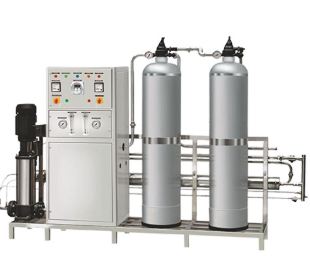
What is Industrial Water Treatment?
ndustrial water treatment is the process of removing contaminants, suspended solids, dissolved minerals, microorganisms, and other impurities from water used in industrial applications. The objective is to ensure water meets the quality standards required for specific industrial processes while protecting equipment and minimizing environmental impact.
Industrial water treatment systems are commonly used for:
- Boiler feed water treatment
- Cooling tower water treatment
- Process water treatment
- Wastewater treatment and recycling
- RO (Reverse Osmosis) water purification
- Water softening systems
- Effluent treatment plants (ETP)
- Sewage treatment plants (STP)
Why Industrial Water Treatment is Essential in 2026
With increasing water scarcity and stricter environmental regulations, industries are focusing more on efficient water management than ever before.
Improved Equipment Protection
Untreated water can lead to scale formation, corrosion, and fouling in industrial equipment. Proper water treatment protects boilers, cooling towers, pipelines, and heat exchangers, reducing maintenance costs and extending equipment life.
Regulatory Compliance
Industries must comply with wastewater discharge standards set by environmental authorities. Effective treatment systems help businesses meet regulatory requirements and avoid penalties.
Reduced Operational Costs
Treating and recycling water can significantly lower water procurement, energy consumption, and maintenance expenses.
Enhanced Product Quality
Industries such as pharmaceuticals, food processing, textiles, and electronics require consistent water quality to maintain product standards and operational efficiency.
Sustainable Water Management
Modern treatment technologies enable water reuse and recycling, helping industries reduce freshwater consumption and support sustainability goals.
Key Industrial Water Treatment Methods
1. Reverse Osmosis (RO) Systems
Reverse Osmosis is one of the most effective water purification technologies used in industrial applications. It removes dissolved salts, minerals, heavy metals, and other contaminants using a semi-permeable membrane.
Benefits:
- High-purity water production
- Reduced scaling and corrosion
- Improved process efficiency
- Lower operating costs
2. Water Softening Systems
Hard water contains high concentrations of calcium and magnesium that can cause scaling in industrial equipment. Water softeners use ion exchange technology to remove hardness minerals.
Applications:
- Boilers
- Cooling towers
- Manufacturing units
- Laundry and textile industries
3. Filtration Systems
Filtration removes suspended particles, sediments, and impurities before water enters industrial processes.
Common Filtration Technologies:
- Sand filters
- Multi-grade filters
- Activated carbon filters
- Cartridge filters
4. Ultrafiltration (UF)
Ultrafiltration membranes effectively remove bacteria, viruses, suspended solids, and colloidal particles from water.
Advantages:
- Consistent water quality
- Reduced chemical usage
- Excellent pretreatment for RO systems
5. Chemical Water Treatment
Chemical treatment involves using specialized chemicals to prevent corrosion, control microbial growth, and reduce scaling.
Common Treatments Include:
- pH correction
- Scale inhibitors
- Corrosion inhibitors
- Biocides
- Coagulants and flocculants
6. Wastewater Treatment and Recycling
Industrial wastewater treatment systems remove pollutants from used water before discharge or reuse.
Benefits:
- Reduced environmental impact
- Water conservation
- Lower disposal costs
- Improved regulatory compliance
Emerging Trends in Industrial Water Treatment for 2026
Smart Water Monitoring
IoT-enabled monitoring systems provide real-time data on water quality, flow rates, pressure, and system performance. This helps industries detect issues early and improve operational efficiency.
AI-Powered Water Management
Artificial Intelligence is helping industries optimize treatment processes by predicting maintenance requirements, reducing chemical consumption, and improving system performance.
Zero Liquid Discharge (ZLD)
Many industries are adopting Zero Liquid Discharge systems to maximize water recovery and minimize wastewater disposal.
Energy-Efficient Treatment Systems
Modern treatment technologies are designed to reduce energy consumption while maintaining superior water quality.
Best Practices for Industrial Water Treatment
To maximize system performance and return on investment, industries should follow these best practices:
Conduct Regular Water Testing
Routine water analysis helps identify contaminants and optimize treatment processes.
Schedule Preventive Maintenance
Regular inspection and maintenance of pumps, membranes, filters, and dosing systems help prevent costly breakdowns.
Monitor System Performance
Continuous monitoring ensures efficient operation and early detection of issues.
Optimize Chemical Dosing
Accurate dosing improves treatment efficiency while reducing chemical costs.
Invest in Water Reuse Technologies
Water recycling systems can significantly reduce freshwater consumption and operating expenses.
Partner with Experienced Water Treatment Experts
Working with a trusted water treatment company ensures proper system design, installation, and maintenance.
Why Choose Fine Water Systems in Chennai?
Fine Water Systems is a trusted provider of industrial water treatment solutions in Chennai, serving a wide range of industries across Tamil Nadu and South India. We specialize in designing, installing, and maintaining customized water treatment systems that deliver reliable performance and long-term value.
Our Solutions Include:
- Industrial RO Plants
- Water Softening Plants
- Ultrafiltration Systems
- Effluent Treatment Plants (ETP)
- Sewage Treatment Plants (STP)
- Demineralization (DM) Plants
- Cooling Tower Water Treatment
- Boiler Water Treatment Solutions
- Water Recycling and Reuse Systems
Our team combines industry expertise with advanced technology to help businesses improve water quality, reduce operational costs, and achieve sustainability goals.
Conclusion
Industrial water treatment is a critical component of modern industrial operations. As businesses continue to prioritize sustainability, efficiency, and compliance in 2026, investing in the right water treatment solutions has become more important than ever.
Whether you need an industrial RO plant, water softener, wastewater treatment system, or a complete water management solution, Fine Water Systems, Chennai can help you achieve reliable, cost-effective, and sustainable water treatment results.
Contact Fine Water Systems today to learn more about our customized industrial water treatment solutions for your industry.